
Master Your Money: The Top Free Online Financial Literacy Courses
The Best Free Online Financial Literacy Courses in 2026
Looking for a free online financial literacy course? Here are the top types of options available right now:
- Non-Profit Educational Platforms — Free, self-paced units covering everything from budgeting to retirement.
- Gamified Learning Tools — Interactive platforms ideal for students and teachers, often available in multiple languages.
- Financial Institution Curriculums — Free programs with measurable results in boosting financial capability.
- University-Backed Essentials — Courses from top academic institutions covering investing, crypto, and behavioral finance.
- Professional Audit Options — Access to courses from world-class universities and global firms at no cost unless a certificate is required.
Only about half of all adults in the United States are considered financially literate. That means millions of people are making daily money decisions — paying bills, taking on debt, saving for retirement — without the basic tools to do it well.
The good news? That’s completely fixable.
Financial literacy is a learnable skill. And in 2026, you don’t need to pay for a degree or sit through a semester of lectures to build it. There are high-quality, free courses available online — from top universities, nonprofits, and financial institutions — that can take you from confused to confident in just a few weeks.
Whether you’re trying to get out of debt, start investing, or just figure out where your paycheck keeps disappearing, there’s a course built for exactly where you are right now.
What is Financial Literacy and Why Does It Matter?
At its core, financial literacy is the ability to understand and effectively use various financial skills, including personal financial management, budgeting, and investing. It is the foundation of your relationship with money, and it is a lifelong journey. We believe that everyone deserves to feel confident and in control of their financial destiny, but the statistics show we have a long way to go.
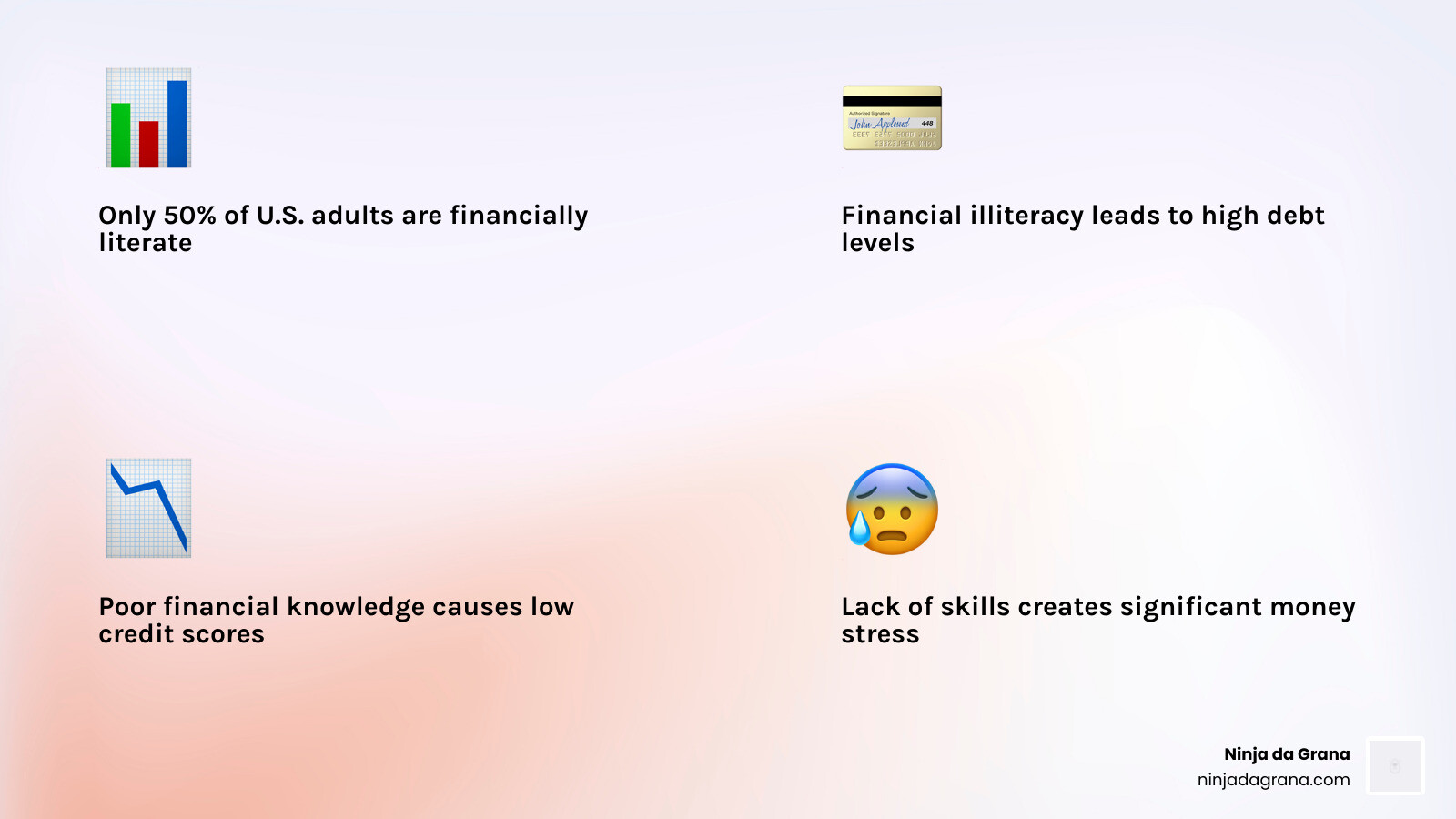
Currently, research indicates that only about 50% of adults in the U.S. possess the basic knowledge required to manage their finances efficiently. This lack of knowledge often leads to high debt levels, poor credit scores, and significant stress.
The 50/30/20 Rule
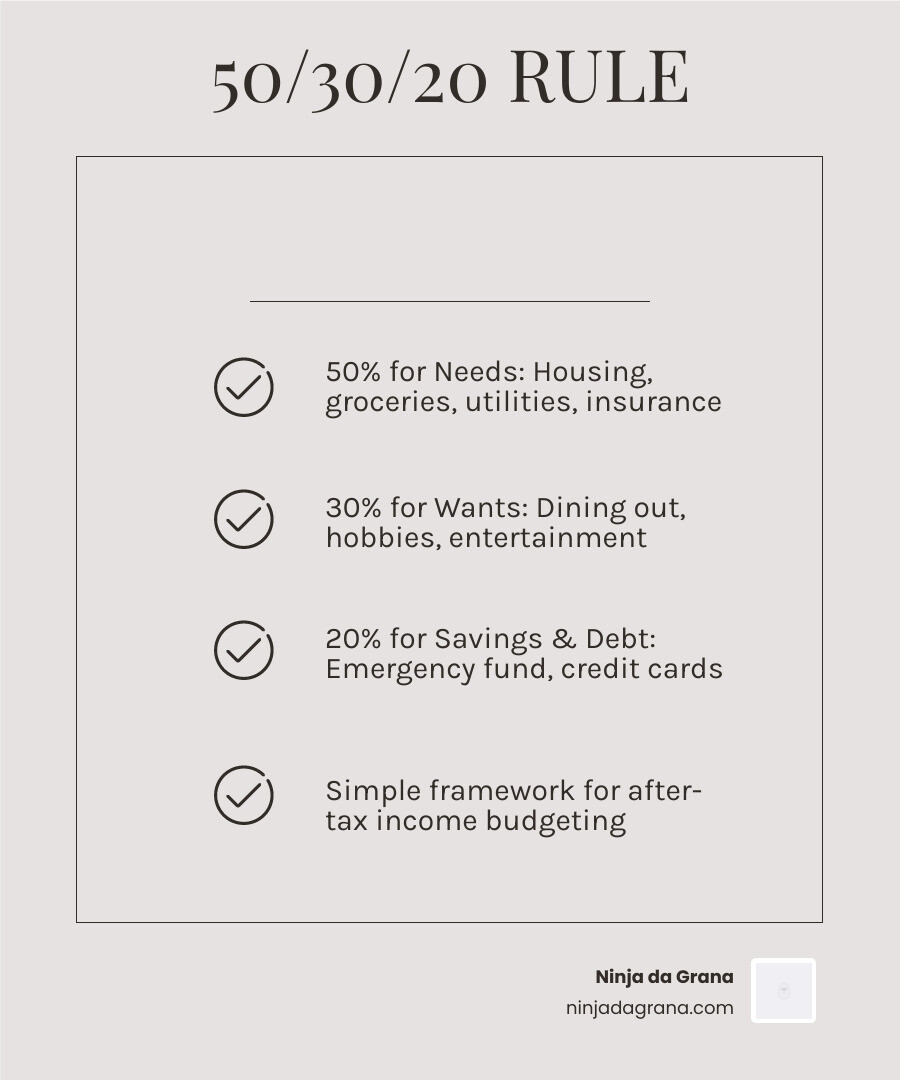
One of the first things you’ll learn in a quality online financial literacy course is the 50/30/20 rule. This is a simple budgeting framework that suggests allocating your after-tax income as follows:
- 50% for Needs: Housing, groceries, utilities, and insurance.
- 30% for Wants: Dining out, hobbies, and entertainment.
- 20% for Savings and Debt Repayment: Building an emergency fund or paying down credit cards.
The Five C’s of Finance
When we talk about financial capability, we also look at what lenders look for. Understanding the “Five C’s” can help you build a stronger financial profile:
- Character: Your credit history and reliability.
- Capacity: Your ability to repay debt based on income.
- Capital: Your net worth and assets.
- Collateral: Assets used to secure a loan.
- Conditions: The purpose of the loan and the economic environment.
By mastering these concepts, you move beyond just “surviving” and start building true financial stability. Whether you are a student preparing for your first job, a professional looking to maximize your 401(k), or a retiree managing a fixed income, financial education reduces stress and increases your independence.
Top Free Online Financial Literacy Course Options for 2026
As of April 2026, the landscape for free financial education has never been better. We have seen a surge in high-quality programs that offer the same rigor as university courses without the hefty price tag.

Choosing the Right Online Financial Literacy Course for Your Goals
Not every course is a perfect fit for every learner. When selecting your path, consider your current skill level and what you hope to achieve.
| Course Category | Target Audience | Primary Focus | Estimated Duration |
|---|---|---|---|
| Non-Profit Platforms | High Schoolers / Adults | Comprehensive Basics | Self-paced |
| Gamified Tools | K-12 Students / Teachers | Interactive Simulations | 30 mins to 4 hours |
| University Programs | Adults / Professionals | Investing & Psychology | 8 Modules |
| Industry Curriculums | Students / Beginners | Confidence & Capability | Flexible |
| Professional Audits | Career Changers | Industry-Specific Knowledge | 4–8 weeks |
If you are a total beginner, we recommend starting with a comprehensive non-profit platform. Their courses often meet high school state standards but are incredibly valuable for adults. They cover everything from car buying to filing taxes. If you want something more academic, university-backed courses provide a completion attestation that looks great on a resume.
Gamified Learning for Students and Teachers
For younger learners, traditional lectures can be a snooze-fest. That’s where gamification comes in. Platforms focused on gamification have revolutionized the classroom experience. Currently used by thousands of teachers in schools nationwide, these tools use interactive simulations to teach kids how to run a business or save for a home.
These simulations allow students to make mistakes in a safe environment. These platforms are available in multiple languages and comply with modern accessibility standards (ADA), making them a favorite for diverse classrooms.
Key Topics Covered in Comprehensive Financial Education
A robust online financial literacy course should do more than just tell you to “save money.” It should provide a roadmap for your entire financial life. Most top-tier programs today focus on several core pillars:
- Budgeting and Cash Flow: Learning to track every dollar that enters and leaves your account.
- Debt Management: Understanding the difference between “good” debt (like a mortgage) and “bad” debt (like high-interest credit cards), and creating a payoff plan.
- Investing: Moving from saving to growing wealth through stocks, bonds, and ETFs.
- Retirement Planning: Utilizing the power of compounding growth to ensure a comfortable future.
- Risk Management: Identifying the types of insurance you actually need, from health to disability.

What to Expect from a Beginner Online Financial Literacy Course
If you are just starting, expect to spend a lot of time on “The Basics.” You’ll learn how to set SMART goals (Specific, Measurable, Achievable, Relevant, and Time-bound). You’ll also calculate your net worth by subtracting your liabilities (what you owe) from your assets (what you own).
Many courses include applied learning projects. You won’t just watch videos; you’ll fill out worksheets to build your own actual budget and debt-repayment strategy in real-time.
Advanced Modules and Specialized Training
Once you have the basics down, you can dive into more specialized topics. In 2026, many courses have added modules on:
- Blockchain and Cryptocurrency: Understanding the risks and mechanics of digital assets.
- ESG Investing: How to invest in companies that align with your environmental and social values.
- Behavioral Finance: Exploring the psychology behind why we spend and how emotions like fear or greed impact our investment decisions.
- Digital Citizenship: Protecting your personal information from scams and fraud in an increasingly online world.
Comparing Free vs. Paid Certification Options
While free courses are fantastic for personal growth, you might wonder if you should pay for a certificate. Many platforms allow you to “audit” their courses (including famous university-led financial markets courses) for free. However, if you want a shareable certificate for LinkedIn or a resume, there is usually a fee.
The Impact of Financial Education
The data is clear: education works. After completing a structured financial curriculum, students demonstrated:
- 21% increase in financial literacy.
- 40% increase in financial confidence.
- 56% increase in financial capability.
To learn more about how these quizzes and educational tools impact real-world behavior, you can check out the FINRA Financial Literacy Quiz.
The Value of Formal Credentials
Paid certifications often offer more than just a piece of paper. They usually include:
- Instructor Feedback: Direct interaction with experts, often CERTIFIED FINANCIAL PLANNER™ professionals.
- Peer Networks: Access to forums and study groups.
- Academic Rigor: Courses from major academic institutions carry significant weight in the professional world.
If you are looking to change careers or move into a role in finance or HR, a verified certificate from a major university can be a worthwhile investment. However, for personal money management, the free versions are more than enough.
Frequently Asked Questions about Financial Education
How long does it take to complete an online financial literacy course?
It depends on the depth of the course. A basic simulation can take anywhere from 30 minutes to 4 hours. A comprehensive specialization typically takes about 4 weeks if you commit 10 hours a week. Most university-backed free courses consist of about 8 modules that can be completed over a few weekends.
Are free financial literacy certificates worth it for my resume?
Yes! While they may not replace a degree, they show employers that you are proactive, disciplined, and possess essential life skills. Certificates from recognized universities or established educational non-profits demonstrate a commitment to self-improvement and a high level of “soft skills” that are valuable in any industry.
Can I take these courses if I have no prior financial knowledge?
Absolutely. In fact, most of these courses are designed specifically for people who feel “clueless” about money. They start with basic terminology and build up to more complex topics. You don’t need to be a math whiz; you just need a willingness to learn.
Conclusion
Taking an online financial literacy course is one of the best investments you can make in yourself. Whether you use a gamified platform to teach your kids or dive into a university specialization to master your own retirement, the tools are at your fingertips.
Financial independence isn’t about how much money you make; it’s about how well you manage what you have. By setting SMART goals, following the 50/30/20 rule, and understanding the power of compounding growth, you can build a future free from money-related stress.
Ready to take the next step? You can Master your money with Ninja da Grana and explore our curated resources designed to help you organize your financial life and reach your goals faster.
The world of finance is constantly changing, so stay curious and keep learning. As of April 2026, the best time to start was yesterday—the second best time is right now!
